← Back to The ChronicleThe Craft
The CraftNovember 7, 2026•4 MIN MASTERCLASS
The Monumental Scale and Mythic Naturalism of 'Ramayana: Rise of a Legend'
How Nitesh Tiwari and cinematographer Pankaj Kumar married 1.90:1 IMAX geometry, Tumbbad-grade chiaroscuro, and photoreal Vedic mythology.

Shinde AdityaAUTEUR
@heyshinde•Auteur • Cinematography & Optical Craft
Subject Film: Ramayana: Rise of a Legend (2026)
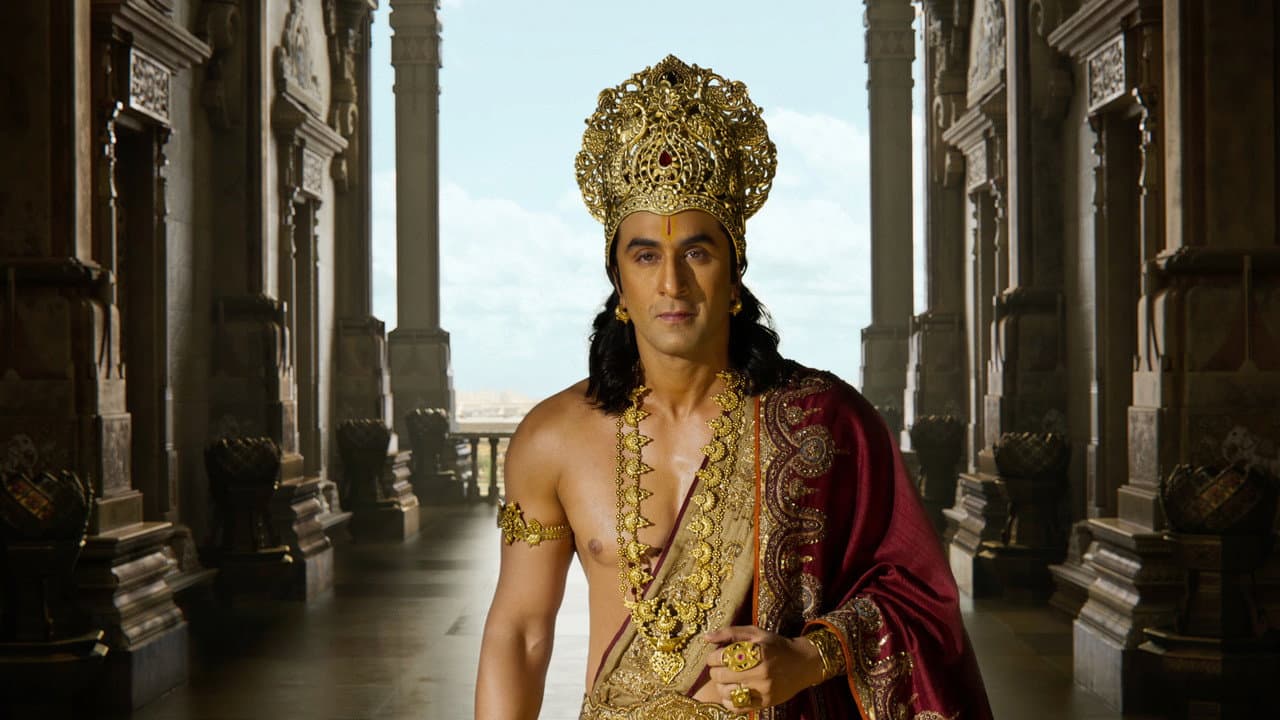
FRAME 01
1.90:1 IMAX Expanded & 2.39:1 Scope
❝Ayodhya at twilight: Soft incandescent practical torches balanced against cold dusk skies in 1.90:1 IMAX.
CINEMATOGRAPHY & OPTICAL SPEC SHEET
STUDIO DECONSTRUCTION
📷 CAMERA SENSORARRI Alexa 65 & Alexa LF (Filmed For IMAX)
🔍 OPTICAL GLASS / LENSESARRI Rental Prime DNA LF & Hawk65 Vintage Anamorphic
📐 ASPECT RATIO1.90:1 IMAX Expanded & 2.39:1 Scope
💡 LIGHTING ARCHITECTURENaturalistic Firelight & Sunlight with Massive Muslin Diffusions
🎨 COLOR PIPELINEOrganic Warm Earth, Terracotta & Vedic Gold Pipeline (DNEG)
🎞️ GAUGE / CAPTURE MEDIUMLarge Format Digital (6.5K Open Gate ARRIRAW)
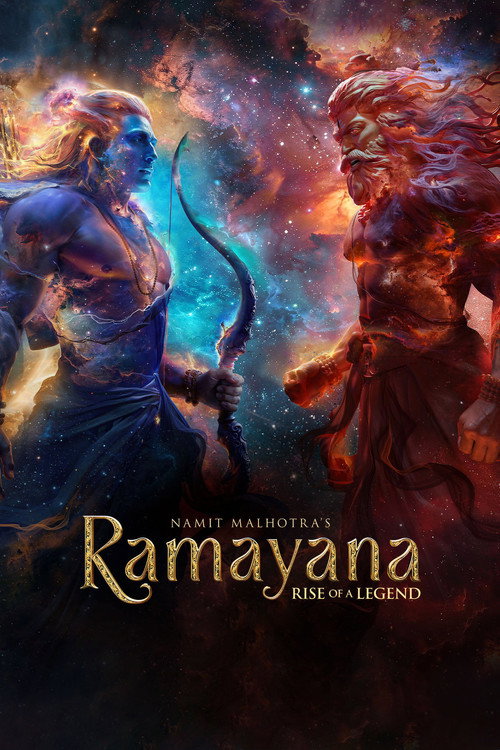
FEATURED FILM2026
Ramayana: Rise of a Legend
Dir. Nitesh Tiwari • DP. Pankaj Kumar
Beyond Digital Fantasy: The Philosophy of Mythic Naturalism
When director Nitesh Tiwari and director of photography Pankaj Kumar (Tumbbad, Ship of Theseus, Haider) set out to mount Ramayana: Rise of a Legend, their foremost mandate was to dismantle the sterile, over-saturated visual tropes that have plagued mythological cinema for decades. Rather than enveloping actors in fluorescent green screens and synthetic flat lighting, Kumar treated the Treta Yuga not as a distant fantasy realm, but as an ancient, tactile civilization forged of red clay, hammered bronze, unglazed pottery, and living flame."A myth only resonates when you can feel the humidity in the soil, the singe of woodsmoke in the palace courtyard, and the physical weight of royal grief."
— Pankaj Kumar, ISC
The Optical Philosophy: ARRI Alexa 65 & Prime DNA Glass
To balance monumental scale with intimate character dignity, the production selected the ARRI Alexa 65 (65mm large-format sensor) paired with custom-tuned ARRI Rental Prime DNA lenses:
Camera & Optical Architecture
OPTICAL DOSSIER
Primary System
ARRI Alexa 65 (6.5K Open Gate ARRIRAW)
Auxiliary Stunts
ARRI Alexa Mini LF
Glass
ARRI Rental Prime DNA LF & Hawk65 Vintage Anamorphic
Aspect Ratio
1.90:1 IMAX Expanded / 2.39:1 Theatrical Scope
Color Space
ACES AP0 Linear Pipeline by DNEG
Lighting Architecture: Practical Flame & Unbleached Muslin
Kumar's signature chiaroscuro—which redefined Indian gothic horror in Tumbbad—is adapted here into majestic, atmospheric restraint: The Palace of Ayodhya: Interior chambers were illuminated primarily by banks of real oil lamps (diyas*) and copper braziers. Large exterior windows were blasted with high-output HMI lamps bounced through quadruple layers of unbleached muslin, mimicking the hazy, dust-mottled heat of North Indian midday sun.The DNEG Color Pipeline: Earth, Smoke, and Vedic Bronze
Collaborating with Prime Focus Studios and DNEG's senior colorists, the visual pipeline avoided synthetic RGB saturation in favor of a strictly curated four-family palette:The Verdict: A Watershed Moment in Indian Visual Craft
Ramayana: Rise of a Legend marks a pivotal maturation in epic cinema. By grounding astronomical ambition in camera craft, optical physics, and authentic Indian atmospheric textures, Nitesh Tiwari and Pankaj Kumar demonstrate that the greatest visual effects are those in service of ancient humanist truth.Enjoyed this analysis? Share with other cinematographers & screenwriters.
Subscribe to The Cinema Chronicle
Weekly deep dives into cinematography, directorial grammar, and screenwriting craft delivered every Sunday.